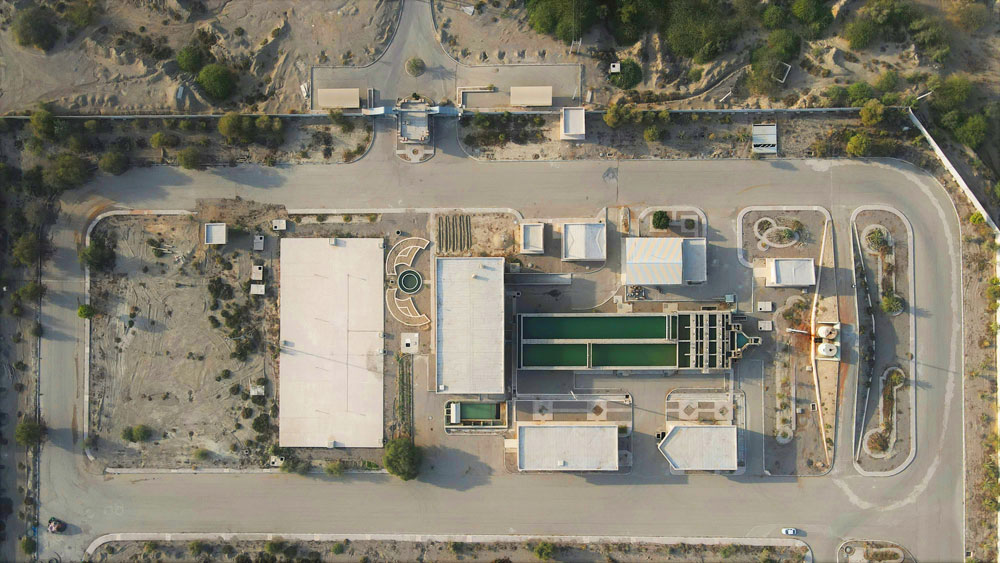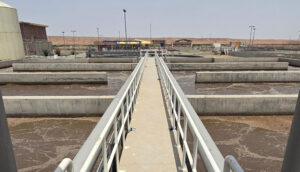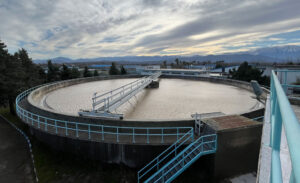

The implementation of water and wastewater projects in the southern regions of the country faces a set of technical and environmental challenges that significantly impact the scheduling, quality, and stability of the systems. The prevailing climatic conditions, including very high temperatures and long periods of drought or humidity, lead to increased equipment wear and reduced efficiency of execution operations. This issue is particularly important for water treatment plants, reservoirs, transmission lines, and pumping stations, as the equipment is exposed to intense radiation, corrosion from humidity, and temperature variations. Furthermore, in some areas, the quality of water sources is characterized by high salinity or hardness, which complicates the design of treatment processes, the selection of materials and equipment, and maintenance planning.
In the wastewater sector, the geological and geotechnical conditions of the regions, especially the presence of soft, erodible soils or variable groundwater levels, make the construction of deep structures, basins, and pumping stations difficult. These conditions increase the likelihood of settlement, water intrusion into excavations, and pipeline vulnerability, highlighting the necessity of employing more robust construction methods and materials. Additionally, the significant distance of project centers from sources of specialized materials and equipment supply leads to increased transportation costs and lead times for goods, affecting the execution progress.
To mitigate the impact of these challenges, adopting appropriate technical solutions is essential. Using equipment and coatings resistant to corrosion and high temperatures, selecting materials compatible with climatic conditions, and designing structures considering the geotechnical characteristics of the region are among the effective measures for increasing durability and reducing maintenance costs. In the water sector, employing treatment processes suitable for the salinity and quality fluctuations of the sources ensures the stable performance of the facilities. Moreover, in pumping stations, the use of electrical panels and electric motors appropriate for hot climates and the implementation of necessary measures for stable energy supply play a crucial role in reducing downtime and increasing efficiency.