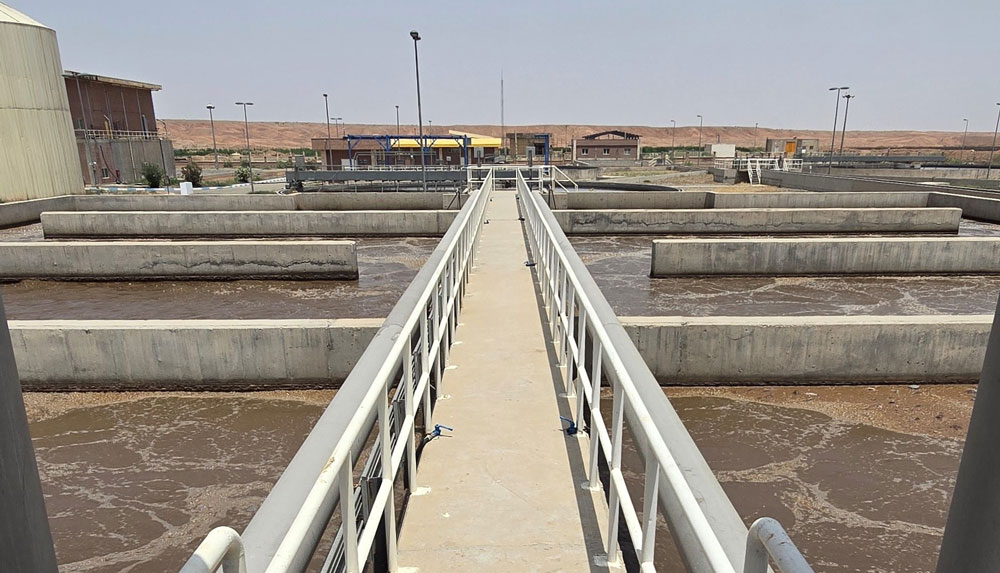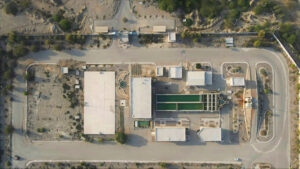

Wastewater treatment plants utilize a series of different processes and systems to remove pollutants and bring the effluent quality to environmental standards. These systems are typically categorized into several main stages:
- Pre-treatment:
The goal of this stage is to remove large solids, grit, and grease to protect downstream equipment and improve their efficiency.
- Bar Screens
- Grit Chambers
- Grease and Oil Separators
- Primary Treatment:
The objective of this stage is to remove suspended solids (SS) and a portion of dissolved organic matter through physical processes (mainly sedimentation).
- Primary Sedimentation Tanks/Clarifiers
- Secondary Treatment:
This is the most critical stage of wastewater treatment, aiming to remove the majority of remaining dissolved and suspended organic matter through biological processes. In these processes, microorganisms (mainly bacteria) consume and decompose organic matter as food.
- Aerobic Biological Processes
- Activated Sludge Process
- Moving Bed Biofilm Reactors (MBBR)
- Trickling Filters
- Constructed Wetlands
- Anaerobic Biological Processes
- Anaerobic Sludge Digestion
- Secondary Sedimentation:
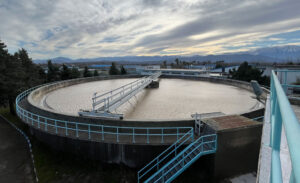
After the biological processes, the mixture of effluent and activated sludge enters these basins to separate the activated sludge (solid microorganisms) from the treated effluent. This separated sludge is called “waste sludge,” and a portion of it is returned to the beginning of the activated sludge process.
- Disinfection:
The purpose of this stage is to eliminate or inactivate pathogens (disease-causing microorganisms) remaining in the treated effluent before its discharge into the environment or reuse.
- Chlorination
- UV Radiation
- Ozonation
- Advanced Treatment / Tertiary Treatment:
This stage is implemented when very high effluent quality is required (e.g., for reuse in agriculture or industry). Its goal is to remove residual organic matter, nutrients (nitrogen and phosphorus), and other specific pollutants.
- Nutrient Removal
- Filtration
- Reverse Osmosis
- Activated Carbon Adsorption
- Sludge Treatment and Disposal:
The sludge produced in the various treatment stages (primary, secondary, waste sludge) contains solids, organic matter, and pathogens, requiring appropriate treatment and disposal.
- Sludge Dewatering
- Sludge Stabilization
- Sludge Disposal
The selection and combination of these systems depend on factors such as the volume and quality of the incoming wastewater, discharge or reuse standards, capital and operational costs, and environmental conditions.